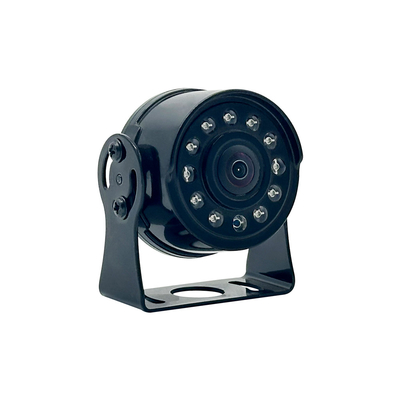
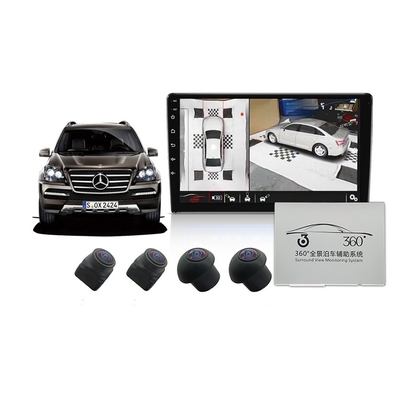
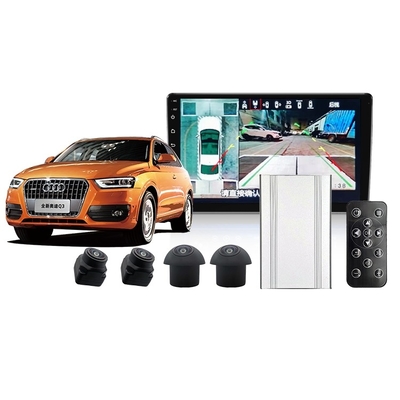
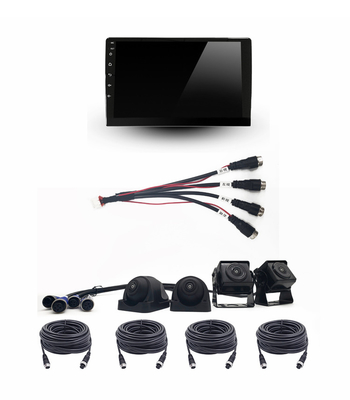
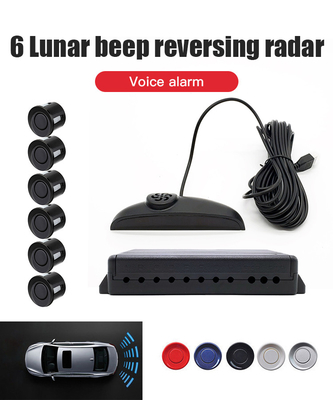
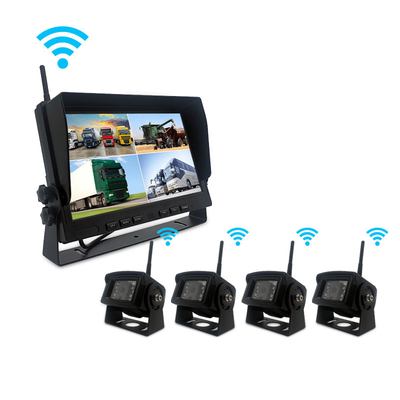
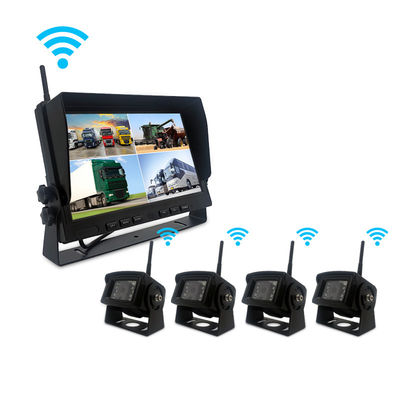
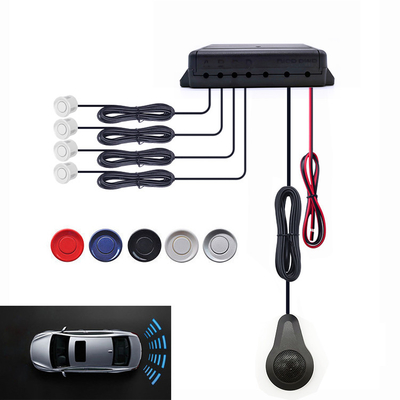
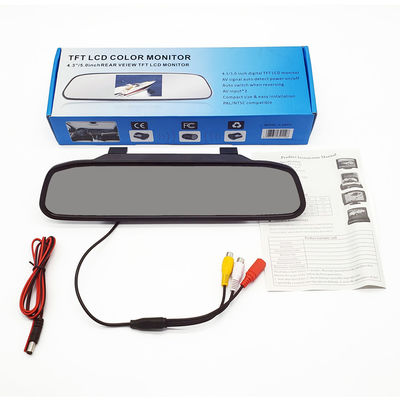
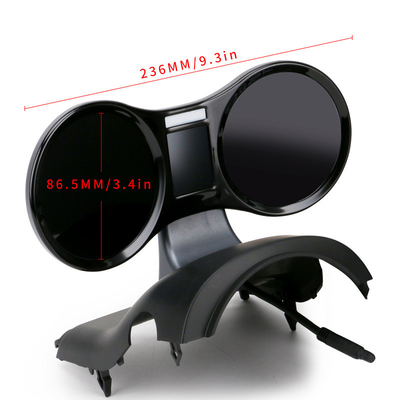
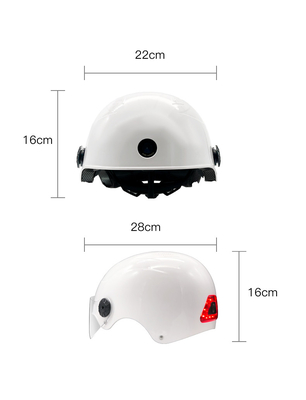
In een tijdperk van snelle technologische vooruitgang staat de auto-industrie op de rand van een revolutie.Nieuwe technologieën veranderen de manier waarop we met onze auto's omgaan en hoe onze auto's omgaan met de wereld om hen heen.Onder deze innovaties staan voertuigcamera's met een hoge resolutie en AI-gestuurde assistentiesystemen voorop, die oplossingen bieden die de verkeersveiligheid verbeteren, het rijden vergemakkelijken, de veiligheid van het verkeer verbeteren en de veiligheid van het verkeer verbeteren.en de voertuigfunctionaliteit naar nieuwe hoogten brengen.
Hoogresolutiekamera's: een nader inzicht in hun effect op de veiligheid
Hoogresolutiekamera's zijn een van de belangrijkste technologieën die de veiligheid van voertuigen transformeren.Deze systemen bevatten nu een breed scala aan hoge-definitiecamera's die in realtime visuele informatie voor bestuurders verstrekken., waardoor hun bewustzijn van hun omgeving aanzienlijk wordt verbeterd.
- Duidelijker beelden voor betere beslissingen: Met de AHD-technologie (Analog High Definition) leveren de huidige camera's scherpere en gedetailleerdere beelden, die cruciaal zijn voor parkeren, achteruitrijden en het controleren van blinde vlekken.Deze grotere duidelijkheid helpt bestuurders beter geïnformeerde beslissingen te nemen, waardoor de kans op ongevallen wordt verminderd.
- Technologie voor nachtzicht: Door de toevoeging van nachtzichtfunctionaliteit aan voertuigcamera's kunnen bestuurders nu ook in lichtarme omgevingen, zoals's nachts rijden of parkeren in slecht verlichte gebieden, duidelijk zien.Dit verbeterde zicht vermindert het risico op botsingen, vooral in moeilijke situaties.
Wijdhoek en waterdichtheid: Door de integratie van groothoeklenzen kan de bestuurder een breder gebied bekijken, wat vooral gunstig is in situaties zoals parallel parkeren of het navigeren in krappe ruimtes.met een hoge waterdichtheid (IP67/IP68), zijn deze camera's gebouwd om te weerstaan aan zware weersomstandigheden, zodat ze betrouwbaar kunnen werken in regen of sneeuw.
AI-gestuurde hulpsystemen: slimmer en veiliger rijden
Kunstmatige intelligentie (AI) is niet langer alleen een futuristisch concept, het is een tastbaar onderdeel van de rijervaring.AI-gestuurde systemen bieden intelligente assistentie die niet alleen de veiligheid verbetert, maar ook het rijden gemakkelijker en aangenamer maakt.
- Blind spot detectie (BSD): AI-aangedreven camera's kunnen de blinde punten van het voertuig controleren en de bestuurder waarschuwen wanneer een ander voertuig of een obstakel aanwezig is, vooral in gevallen waarin visuele detectie moeilijk is.Dit systeem vermindert het ongevalsrisico bij rijstrookwisselingen en overgangen aanzienlijk.
- Bewaking van de vermoeidheid van de bestuurder: Vermoeidheid is een belangrijke oorzaak van ongevallen, met name op lange afstanden.en realtime waarschuwingen om de bestuurder gefocust en alert te houdenDeze functie is essentieel voor langeafstandschauffeurs en voor wagenparkbeheer, waarbij het toezicht op het gedrag van de bestuurder van cruciaal belang is.
- Verwijderingsbeveiliging: AI-aangedreven rijstrookbewakingssystemen helpen bestuurders om in hun rijstrook te blijven door corrigerende stuurinvoer te verstrekken.Deze technologie is gunstig op snelwegen of lange stukken van de weg waar het behoud van de rijstrookpositie een uitdaging kan zijn, vooral bij ongunstige weersomstandigheden.
- Automatische noodremmen (AEB): AI-systemen kunnen ook mogelijke botsingen detecteren en de remmen van het voertuig autonoom aanbrengen om ongevallen te voorkomen of te beperken.Deze functie is van vitaal belang wanneer het verkeer stopt of wanneer de bestuurder afgeleid is en zich niet bewust is van een dreigend gevaar.
360° Surround View-systemen: een volledig beeld van de omgeving van uw voertuig
360° surround view systemen worden een standaardfunctie in veel moderne voertuigen.vogelpersoonlijke weergave van de omgeving, waardoor blinde vlekken worden geëlimineerd en een volledig perspectief van het gebied rond het voertuig wordt geboden.
- Real-time naaien voor naadloze beelden: Door beelden van vier of meer camera's samen te steken, biedt het 360°-systeem een continu en naadloos beeld van de omgeving van het voertuig.Met deze technologie kunnen bestuurders de hele omtrek van de auto in realtime zien., wat vooral nuttig is bij het parkeren of het navigeren op krappe plekken.
- Parkeerhulpmiddelen en belemmeringsdetectie: Het 360°-systeem biedt niet alleen een visuele kaart van de omgeving, maar bevat ook belemmeringsdetectiefuncties.het voorkomen van mogelijke botsingen bij manoeuvreren in drukke of beperkte ruimtes.
Verbeterde manoeuvreerbaarheid voor grotere voertuigen: Voor grotere voertuigen zoals vrachtwagens, bestelwagens en bussen is het 360°-systeem bijzonder waardevol.die cruciaal is voor het voorkomen van ongevallen in omgevingen met beperkt zicht.
De kracht van integratie: het combineren van camera's en AI voor alomvattende veiligheid
Wat de combinatie van hoge resolutie camera's en AI-aangedreven assistentie systemen zo impactvol maakt, is hun integratie.Deze technologieën vormen een robuust netwerk van veiligheidskenmerken die samenwerken om de bestuurder in realtime te ondersteunen..
- Verbeterde botsingsvermijding: De synergie tussen hoge resolutiecamera's en AI-systemen maakt het mogelijk om obstakels sneller te detecteren en sneller te reageren.terwijl het camerasysteem objecten in het voertuigpad identificeertHet AI-systeem analyseert de situatie en kan automatisch noodremmen of de bestuurder waarschuwen voor dreigend gevaar.
- Voordelen van vlootbeheer: Voor wagenparkbeheerders biedt de combinatie van deze technologieën in een verenigd systeem het voordeel van real-time monitoring en analyse.de voertuigomstandigheden te controleren, en ontvangt meldingen voor onderhoud, waardoor de algemene operationele efficiëntie en veiligheid worden verbeterd.
- Verbeterd vertrouwen van de bestuurder: bestuurders die zijn uitgerust met camera's met hoge resolutie en AI-assistentie voelen zich meer zelfvertrouwen op de weg.de rijbeleving is zowel veiliger als comfortabeler.
De weg naar slimmere en veiligere voertuigen
Terwijl we verder gaan naar volledig autonome voertuigen, is de integratie van camera's met hoge resolutie en AI-gestuurde systemen een essentiële stap in de evolutie van de automobielindustrie.Deze technologieën bieden reeds tastbare voordelen, waardoor voertuigen veiliger, slimmer en efficiënter worden.
- Vermindering van ongevallen en verbetering van de veiligheid: Met realtime waarschuwingen, proactieve veiligheidssystemen en geavanceerde mechanismen om botsingen te voorkomen, verminderen deze technologieën het risico op ongevallen aanzienlijk en maken ze de weg veiliger voor iedereen.
- De groei van de industrie aanwakkeren: Naarmate de vraag naar slimmere en veiligere voertuigen toeneemt, integreren fabrikanten deze technologieën steeds meer in hun aanbod.Deze verschuiving verbetert niet alleen de rijervaring, maar stimuleert ook de groei van de automobielindustrie, het stimuleren van innovatie in de gehele sector.
- Naleving van de regelgeving: Met de strengere veiligheidsvoorschriften die wereldwijd worden toegepast, worden deze technologieën een noodzakelijk onderdeel van de naleving van de voorschriften voor voertuigen.Fabrikanten en exploitanten van wagenparken die deze systemen toepassen, zijn goed geplaatst om aan de nieuwe veiligheidsnormen te voldoen en de regelgevende vereisten voor te blijven..
Conclusie: De toekomst van het rijden aanvaarden
De volgende generatie voertuigtechnologie is er al en verandert de manier waarop we rijden.verbetering van de ervaring van de bestuurder, en de weg vrijmaken voor de toekomst van slimmere, autonome voertuigen.en in staat om onze rijervaring veiliger te maken, leuker, en meer verbonden dan ooit tevoren.


 Uw bericht moet tussen de 20-3.000 tekens bevatten!